Forest What Does Immutability Mean to Filecoin? Immutability was never just technical. From stone tablets to CIDs, we’ve always tried to make memory last. In blockchains, it’s a core tenet, data sealed by consensus. In Filecoin, it's a web of incentives, proofs, and people choosing not to forget.
monthly roundup ChainSafe’s Monthly Roundup: Issue #2 500 Lido validator keys on Hoodi, joining the Web3 Decentralized Nodes program, and continued development in Polkadot, Filecoin and Ethereum ecosystems.
Lodestar Lodestar's Fusaka Inclusion Perspective In response to the Fusaka deadline outlined in the All Core Developers March Checkpoint, this blog post summarizes the collective thoughts of Lodestar's perspective on the Fusaka hard fork. Keep Fusaka Small and Focused Taking into account some lessons learned from the Pectra retrospective published in February, we
Lodestar Lodestar Holesky Rescue Retrospective When the Holesky hard fork went sideways, validators struggled through hidden bugs, misconfigured clients, and unexpected chain splits. Here’s how quick thinking, precise fixes, and community teamwork turned a chaotic experience into a valuable lesson for future forks.
monthly roundup ChainSafe's Monthly Roundup: Issue #1 This year marks a recalibrated ChainSafe that will zero-in once more on the multichain mission that's driven us since inception.
Infrastructure ChainSafe supports Ephemery: Ethereum’s ever-refreshing testnet This lightweight, resetting testnet gives you a clean slate every four weeks. It's perfect for testing staking setups, validator configurations, and smart contract deployments.
Lodestar Understanding Censorship Resistance on Ethereum Censorship resistance ensures Ethereum remains open and permissionless. This blog explores what censorship resistance is, why it matters, and the ongoing efforts to keep Ethereum decentralized.
Lodestar Lodestar’s Pectra Retrospective and Future Fork Ideas Key lessons learnt from Ethereum’s latest hard fork. From feature cramming to scope creep, we’re exploring ways to streamline coordination, shorten fork cycles, and enhance stability—ensuring Ethereum remains resilient and future-ready.
Web3.js to sunset: ChainSafe transitioning developers Web3.js libraries will be archived on March 4th, 2025. ChainSafe will provide migration support and documentation for affected users in the coming days.
Web3 Gaming How to build an onchain game in Unity This tutorial will teach you how to build an onchain Rock, Paper, Scissors game in Unity using ChainSafe Gaming's web3.unity SDK.
Lodestar What L2s need from Based Rollups Some unstructured thoughts on what Ethereum needs to focus on to accelerate the L2 roadmap
Lodestar A Lodestar for Consensus 2024 A 2024 review of ChainSafe's TypeScript implementation of Ethereum Consensus.
Web3 Gaming Devcon 2024: New city, new LootBox treasure hunt! Our VRF LootBoxes combine digital and physical rewards, bridging the online world with Bangkok’s hotspots.
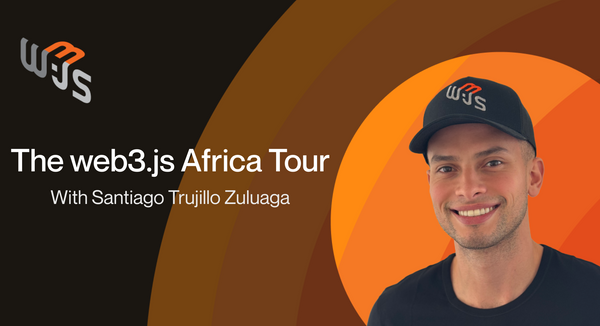
The web3.js Africa Tour Across Ghana, Nigeria, Kenya, and Uganda, I led web3.js workshops, guiding developers through hands-on learning and connecting local talent to the global web3 space. Follow along to see how the journey unfolded.
Web3 Gaming Release notes: Web3.unity 3.0 Web3.unity SDK version 3.0 includes a suite of powerful updates to expand what your game is capable of, reduce friction for players, and (of course) improve quality-of-life for builders.
Polkadot Understanding Polkadot's Parachain Protocol: The Candidate Backing Subsystem Polkadot’s network runs on trust, but what makes it truly secure? Enter the Candidate Backing Subsystem—a critical protocol where validators decide which parachain blocks make the cut. Curious how this process keeps Polkadot fast and secure? Let’s explore the mechanics behind the magic.
Setting Up Your ZKsync Development Environment with Web3.js Plugin If you’re looking to develop on the ZKsync Era network and integrate it with Web3.js, you’re in the right place. This guide will walk you through the initial setup required to get your local environment ready for development and testing. We’ll cover cloning the necessary repositories,
Working with the ZKsync L2 Provider Using web3-plugin-zksync In the previous article, we covered how to set up a local ZKsync environment and connect it to the Web3.js plugin. Now, we’ll take it a step further by exploring how to interact with the ZKsync Layer 2 provider. By the end of this guide, you’ll know
Working with Wallets on ZKsync using Web3.js Before jumping into wallet interactions, make sure you have already set up your local ZKsync environment as described in the previous article on setting up the ZKsync environment. It’s crucial to have a functional environment to interact with Layer 2 and execute the wallet operations discussed here. If you
Smart Accounts on ZKsync Layer 2 with Web3.js In the previous articles, we explored setting up the environment and working with traditional wallets. In this article, we will delve into a powerful feature of the ZKsync network: Smart Accounts. Smart Accounts extend the standard wallet functionality by offering greater flexibility and programmability, enabling users to customize their account’
Paymaster on ZKsync Layer 2 with Web3.js In this article, we explore the Paymaster feature in ZKsync, which allows users to sponsor transaction fees. This is a powerful tool that provides flexibility, enabling users to handle gas fees in a more customizable manner. Before diving into this, ensure you have followed the steps from the previous articles,
Exploring Multisig in ZKsync using Web3.js In this article, we’ll dive into the multi-sig feature within the ZKsync ecosystem, showing how to deploy and interact with a multi-sig contract. Multisig (multiple signatures) allows for enhanced security by requiring more than one private key to authorize transactions. This is particularly useful for managing funds
Using Injected Providers in a React App with ZKsync and Web3js In this article, we will explore how to set up a Next.js application to interact with the ZKsync network using an injected provider, such as MetaMask. We’ll build a basic application that connects to a user’s wallet, retrieves account information and sends a small amount of ETH
Lodestar Lodestar's Pectra Split Vision Update The Lodestar team proposes splitting the Pectra roadmap into two forks—PectrA and PectraB—to ensure mainnet stability, a smoother rollout, and clearer standards for feature readiness.
Research & Development On Token Vesting Token vesting in Web3 controls token release to prevent mass sell-offs, protecting price stability. Learn what it is, how it works, and why strategies like randomized vesting could improve market health and protocol governance.